The Impact of Adjustable Furniture on Mental Well-Being
In today's fast-paced world, the importance of mental well-being cannot be overstated. One surprising factor that can significantly impact our state of mind is the furniture we choose for our living spaces. Adjustable furniture, such as customizable sofas and beds, offers flexibility that can cater to individual preferences and comfort needs. This article will delve into how these pieces can create a more inviting and relaxing environment, ultimately contributing to better mental health.
Understanding the Link Between Furniture and Mental Health
The spaces we inhabit play a crucial role in shaping our mood and productivity. Research indicates that our surroundings, including furniture, can significantly affect our mental state. Adjustable furniture allows individuals to tailor their environments according to their needs, leading to enhanced comfort and a sense of control over one's space. This customization can be particularly beneficial for people dealing with stress, anxiety, or other mental health challenges.
The Psychological Effects of Adjustable Furniture
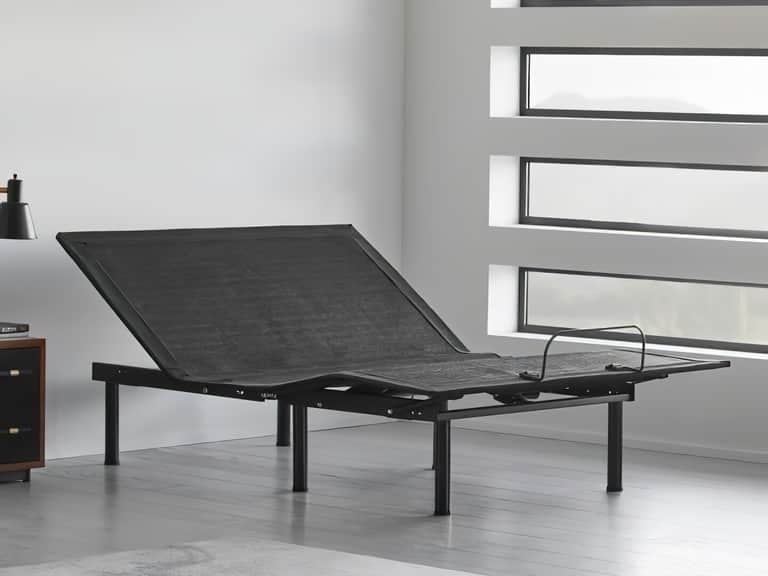
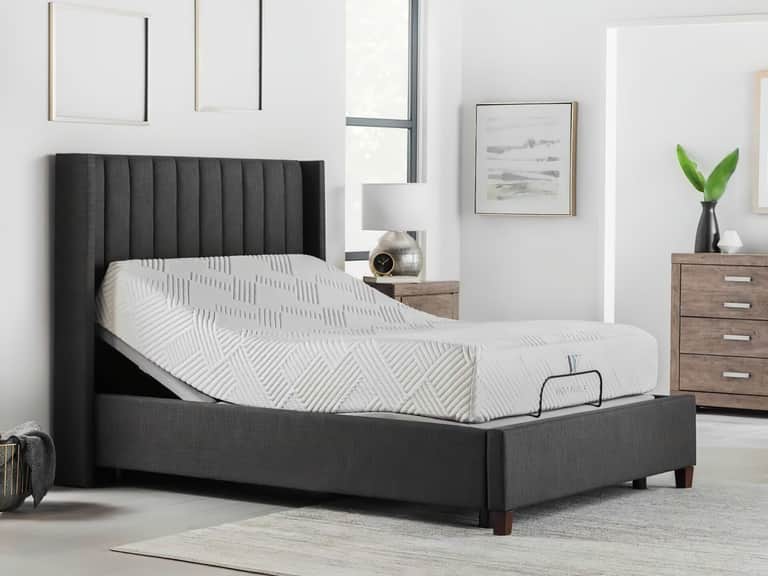
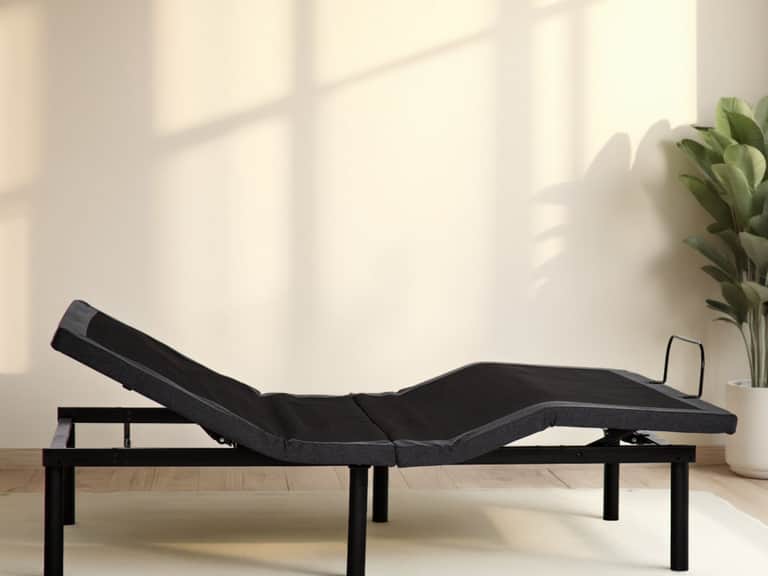
A well-designed living space can reduce stress and enhance productivity. For instance, adjustable beds offer numerous benefits beyond comfort. They allow users to find their ideal sleeping position, which can lead to improved sleep quality — a vital factor in mental well-being. The Malouf E255 Adjustable Bed Base is a prime example of how adjustable furniture can enhance both physical comfort and mental health.
Malouf E255 Adjustable Bed Base
With the Malouf E255 Adjustable Bed, the comfort and power of an adjustable bed can be yours. At the push of a button, you can control the position of both the head and the foot, helping you find the ideal position to relax, read, watch TV, or sleep. Experience the relaxation of zero gravity or use the anti-snore setting for a better night of sleep.
Historical Perspectives on Adjustable Furniture
Throughout history, the evolution of furniture design reflects cultural shifts and changing needs. In ancient times, the Greeks and Romans utilized adjustable furniture in their living spaces, emphasizing comfort and functionality. Fast forward to the 20th century, where the rise of modernism brought about innovative designs, including adjustable pieces that catered to the needs of a rapidly changing society.
Key Figures in Furniture Design
- Charles and Ray Eames: This husband-and-wife duo revolutionized furniture design in the mid-20th century with their ergonomic creations, which focused on comfort and functionality.
- Isamu Noguchi: A sculptor and designer, Noguchi's work in the 1940s introduced adjustable elements into furniture, allowing for a blend of art and utility.
- Hans J. Wegner: Known for his iconic chairs, Wegner's designs emphasized comfort and craftsmanship, paving the way for modern adjustable furniture.
Creating Personalized Spaces for Enhanced Well-Being
The ability to customize one’s environment can lead to a profound psychological impact. By incorporating adjustable furniture, individuals can create spaces that cater to their unique preferences, thus fostering a greater sense of ownership and comfort. This personalized approach can transform a house into a home, where mental well-being is prioritized.
Conclusion: The Future of Furniture and Mental Health
As our understanding of the relationship between environment and mental health deepens, the demand for adjustable furniture is likely to grow. By investing in pieces that offer flexibility and customization, individuals can enhance their living spaces and, consequently, their mental well-being. The integration of technology in furniture design, such as the features seen in the Malouf E255 Adjustable Bed Base, exemplifies the future of personalized comfort, paving the way for a healthier, more balanced lifestyle.
Call to Action
Embrace the benefits of adjustable furniture and explore options that suit your lifestyle. Whether it's a bed that adapts to your needs or a sofa that reshapes your living area, investing in adjustable pieces can significantly enhance your mental well-being. Discover the power of comfort in your home today!