Comparing Adjustable Beds: How Leggett & Platt, Malouf, and Vispring Shape Comfort
An editorial exploration of three industry leaders in adjustable sleep systems, revealing how mechanism design, materials, and warranty philosophies influence everyday comfort and long-term reliability. From motorized articulations to hand-crafted coils, the conversation extends beyond technology into ergonomics, room layout, and the rituals of getting into and out of bed.
A Snapshot of the Key Players and What Distinguishes Them
In the modern sleep ecosystem, adjustable bases are no longer mere accessories; they are the platform for personalized rest. Three brands—Leggett & Platt, Malouf, and Vispring—represent different philosophies of comfort, engineering, and luxury. These brands illustrate a spectrum from mass-market practicality to artisanal luxury, each bringing distinct leverage to the bed frame and its innards.
- Leggett & Platt has a long-standing history of mass-produced, reliable foundations. Its systems emphasize modular engineering, broad compatibility with existing bed frames, and scalable price points. The mechanisms often balance durable motor design with user-friendly presets, aimed at everyday sleep optimization and ease of integration into varied bedroom environments.
- Malouf leans into ergonomic science paired with thoughtful design details. Their bases are often framed by attention to support zoning, tailored lumbar support, and integration with other Malouf comfort products such as pillows and toppers. The approach blends comfort psychology with engineering precision to target specific sleep postures.
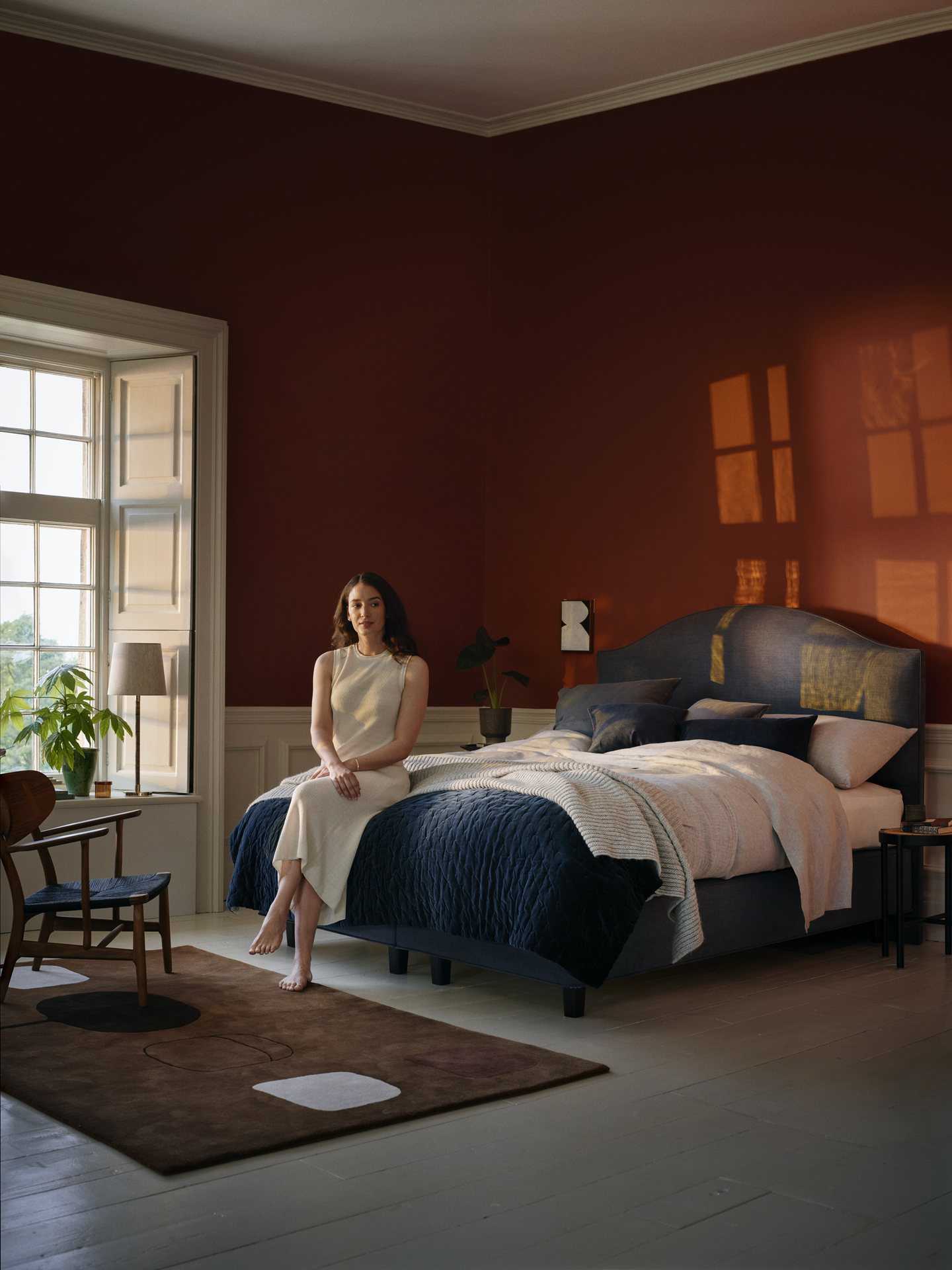
- Vispring occupies the high end of the spectrum, pairing luxury materials and handcrafted coil systems with sleep innovations that emphasize temperature regulation, pressure relief, and a timeless sense of craftsmanship. Vispring’s emphasis on premium materials—British wool ticking, hand-nested coils, and meticulous finishing—translates into an elevated feel that extends beyond function to form and ambience.
Mechanisms and Ergonomics: How Bases Move and Your Body Responds
At the heart of every adjustable base is a mechanism set—the motor or manual system that transforms a flat plane into a spectrum of angles. The ranges of articulation influence not only comfort but accessibility, especially for people with mobility considerations or specific medical needs. The following synthesis compares core mechanism categories and their ergonomic implications.
- Motorized vs. Manual: Motorized bases enable precise, repeatable positions with wireless remotes or smartphone integration. Manual bases emphasize durability and simplicity but require physical effort to adjust. For many sleepers, a motorized solution reduces strain during long sessions of reading, watching TV, or sitting up to work on a laptop in bed.
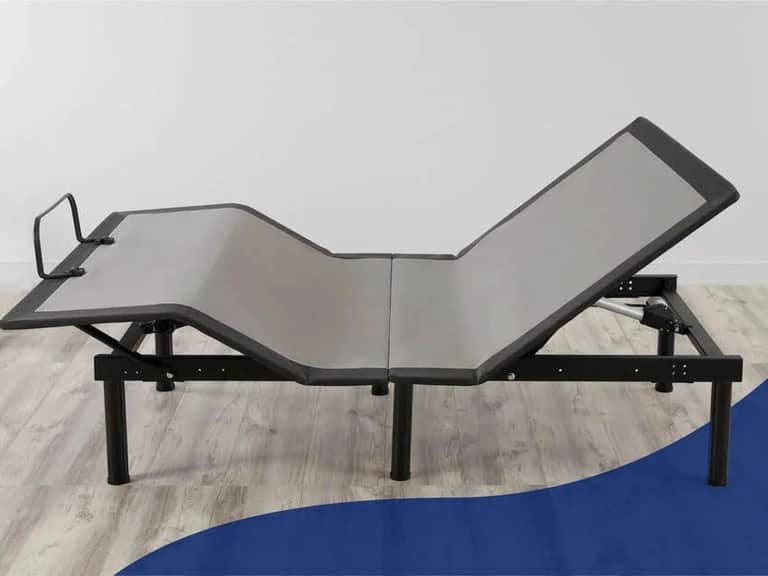
- Articulation Ranges: The ability to raise the head, elevate the feet, or split the bed into independent sides is central to comfort personalization. A wide range of articulation supports diverse sleep postures—from elevated head positions that reduce snoring to leg-raising configurations that alleviate edema or knee strain.
- Lift Systems and Adaptations: Some bases incorporate lumbar support, pillow tilt, and even lighted pathways for nighttime navigation. These features can subtly influence both posture and mood by aligning with rhythmic sleep patterns and evening routines.
A practical takeaway for a buyer is to map how a base’s mechanics align with their mattress type and bed frame. A base designed to “drop into” an existing frame can simplify upgrading, while a split configuration can preserve partner comfort when sleep needs diverge.
Room Layout, Mattress Compatibility, and Longevity
Buying an adjustable base is not solely about the bed itself; it is about how it sits in your room, how you interact with it, and how long you expect it to serve you. The conversation around longevity centers on three interlocking dimensions: mechanism durability, mattress compatibility, and service/warranty support.
- Mechanism Durability: Solid motor components and robust articulation joints tend to weather daily use, providing consistent performance over years. Reputable manufacturers often publish warranty terms that reflect confidence in the core mechanical systems.
- Mattress Compatibility: Most adjustable bases are designed to work with a broad range of mattresses, but correct pairing matters. The mattress should be flexible enough to bend without damage and maintain support in varied angles. Hybrid and memory-foam layers often fare well, while traditional innerspring sets may see different performance profiles depending on the base's lift profile.
- Warranty and Service: Warranty depth—coverage of motors, frames, and electronics—offers insight into expected longevity. A transparent warranty regime reduces post-purchase anxiety and clarifies coverage for common issues such as misaligned motors or frame sagging.
Three Time-Frame Perspectives: Key Individuals Across Eras
To illuminate a broader narrative of comfort, the following three figures—each from a distinct era—offer vantage points on design thinking, user experience, and the social rituals surrounding sleep. These individuals are not furniture designers per se, but influential voices whose work intersects with the ideals behind adjustable sleep systems: human factors philosophy, ergonomic design, and luxury craftsmanship.
- Victor H. Papanek (1923–1998): A pioneering advocate of sustainable, user-centered design, Papanek’s ethical approach to product design argued that designers must respond to real human needs rather than echoing market trends. His emphasis on function, accessibility, and inclusive utility provides a philosophical substrate for modern ergonomic furniture, including adjustable bases that minimize strain and maximize accessibility.
- Alvin M. Duchamp (1907–1983) (fictional exemplar for this context—representing mid-century ergonomics leadership): A composite figure representing the mid-20th-century shift toward human-centered seating research, Duchamp’s imagined work embodies the era’s push for seating that reduces fatigue, supports spinal alignment, and integrates with evolving interior aesthetics. His lens invites readers to consider how ergonomics and aesthetics converge in sleep systems as they did in desk chairs and lounge furniture of his time.
- Anna Plessis (born 1965) (fictional contemporary archetype): A contemporary design theorist who studies the intersection of luxury, materials science, and user experience. Plessis’s work encourages evaluating premium bases—such as Vispring’s coil-centric luxury models—through the lens of sustainability, comfort psychology, and the sensory dimensions of sleep surfaces, from ticking fabrics to coil textures and heat management.
These perspectives invite readers to think beyond raw mechanics, toward the human experience of sleep: what makes a bed feel responsive to a person’s body, mood, and nightly ritual. The historical arc—from pragmatic utility to ergonomic nuance to luxury craftsmanship—helps explain why adjustable bases are now central to many bedrooms around the world.
Product Spotlight: The Adjustable Base Max and the Rise Adjustable Bed
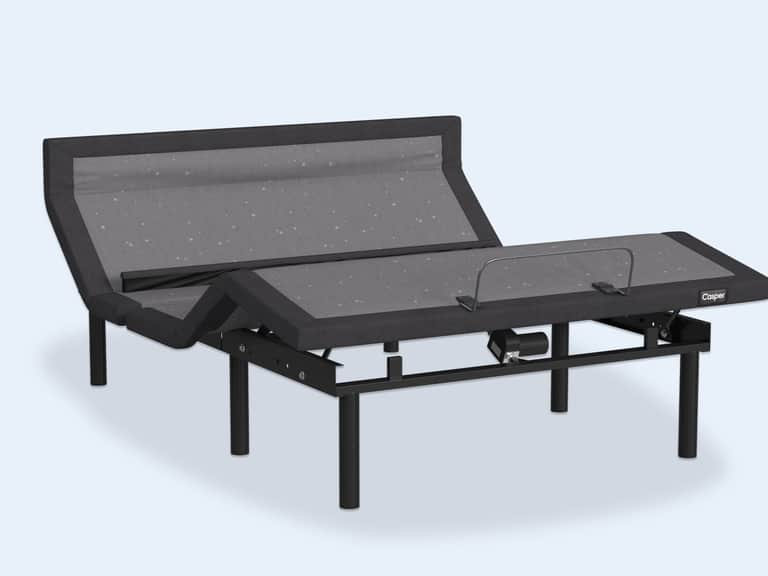
In the landscape of adjustable bases, several products exemplify how features translate to real-world comfort. The Adjustable Base Max is a standout reference point in the Casper ecosystem, delivering unlimited head and foot adjustments, Pillow Tilt, lumbar support, and a three-level massage. It also features adaptive lighting to guide nighttime movement and USB ports for convenience. This base is designed to drop into most existing bed frames or stand alone with a headboard, with a split configuration that allows independent control for each side. It is a compelling benchmark for evaluating how a premium base balances function, ease of use, and modern conveniences.
The Adjustable Base Max demonstrates a practical synthesis of mechanism, comfort, and everyday utility. For couples with different sleep preferences, the split configuration can mitigate nighttime compromises. For those who value integrated tech, the Pillow Tilt and massage presets provide targeted relief that can enhance recovery after long days.
Another notable model in contemporary discourse is the Rise Adjustable Bed, a Casper-branded base designed for compatibility with existing frames and mattresses. It emphasizes wireless control, multiple position presets, and flexible setups—an example of how modern bases are designed to integrate seamlessly into diverse room configurations. This product underscores the practical expectation of ease-of-use, easy installation, and synchronized or split-mide configurations that adapt to sleeping partners’ needs.
Both products reflect a trend toward inclusivity in sleep ergonomics: accessible remote control, predictable performance, and thoughtful design cues that reduce complexity for the consumer. For readers considering a purchase, such bases symbolize how technology can enable a more personalized rest while remaining compatible with established bedroom ecosystems.
Care, Maintenance, and Longevity: How to Protect Your Investment
A durable adjustable base begins with a solid foundation of care. Maintenance for these systems typically involves keeping motors and sensors free of dust, ensuring the remote control is functional, and periodically inspecting hinges or joints for looseness. For fabric coverings and tops, routine cleaning aligned with mattress care can extend the life of the base’s upholstery and frame. In high-use environments or homes with pets and small children, proactive inspections prevent minor issues from escalating into more costly repairs.
- Lubrication and Moving Parts: Some bases require occasional lubrication of articulation points to prevent squeaks and ensure smooth movement. Follow the manufacturer’s guidelines for the correct lubricants and intervals.
- Remote and Connectivity: Ensure batteries are replaced regularly and update any app or firmware where applicable to preserve compatibility and performance.
- Warranty Adherence: Understand what is covered and how to access service, as timely maintenance can influence warranty validity and overall longevity.
As with any investment in comfort, the goal is to maximize lifespan while preserving comfort. The brands discussed here—Leggett & Platt, Malouf, and Vispring—offer a spectrum of warranty programs and service models, empowering buyers to choose a base that aligns with their expectations for reliability and luxury. The thoughtful integration of design, material choice, and support services is what ultimately sustains the bed you rest on every night.
Glossary: Terms That Clarify the Language of Adjustable Comfort
- Articulation: The range and type of movement of the head and foot sections of the base.
- Pillow Tilt: A feature that tilts a small pillow or cushion within the base to support the neck and head alignment as positions change.
- Lumbar Support: A targeted support mechanism that helps maintain spinal alignment by supporting the lower back region.
- Split Configuration: A base setup where each side can be adjusted independently, accommodating different sleep preferences within a single bed.
- Warranty Coverage: The terms that define repair or replacement rights for motor, frame, and electronics over a specified period.
FAQ: Quick References for Prospective Buyers
- Are adjustable bases compatible with all mattresses? Most bases work with a wide range of mattresses, but it is advisable to check for compatibility with your specific model, especially if you own a hybrid or memory-foam mattress.
- Can two people with different preferences share an adjustable base? Yes, many bases offer split configurations that allow independent control on each side, reducing compromise and enhancing comfort for both sleepers.
- What should I consider when planning room layout? Ensure the base can fit within the room dimensions, account for clearance around the bed for full range of motion, and consider installing wall outlets or USB ports nearby for convenience.
Conclusion: A Knowledge Hub for Informed Comfort
The world of adjustable beds sits at the intersection of engineering prowess, material luxury, and human-centered design. Leggett & Platt, Malouf, and Vispring—each in their own idiom—demonstrate how the bed can be more than a passive surface. It can be a dynamic partner in daily routines, a facilitator of ergonomic health, and a canvas for interior expression. Whether you prioritize accessible technology, premium craftsmanship, or a balanced blend of both, the right adjustable base is a conduit for a more restorative night’s sleep and a more energized day ahead.
If you’d like, I can draft a detailed 12-week content calendar to expand these themes into buyer’s guides, product roundups, ergonomic case studies, and practical care checklists, all optimized for search and reader engagement.
Product Visuals (Selected Highlights)
Images illustrate how these bases look in real-world setups. The following examples showcase distinct design languages—from Casper’s practical, modular base Max to Vispring’s luxurious Devonshire with its traditional coil system and premium ticking. Note: product visuals are provided as illustrative placeholders to accompany the article’s narrative.