Bedding · Materials & Care
Wool Bedding for Every Season: Choosing the Right Layers
Wool can warm a bed without making it feel sealed off from the air. The best way to use it is not as a single answer to every night, but as a flexible layer—chosen for your climate, your comfort, and the care you’re willing to give it.
There is a small seasonal drama that plays out in many bedrooms: a blanket that feels perfect at bedtime becomes too warm by morning; a lighter cover solves the problem until a cold snap arrives. Wool bedding offers a way to make that nightly calculation less exacting. Its fibers can hold warmth while allowing air and water vapor to move through the material, so a wool layer may feel insulating without the closed-in sensation some sleepers experience under heavier bedding.
That balance is useful, but it is not magic. Wool does not guarantee a cool night in a hot room, prevent every bout of sweating, or suit every person’s tactile preferences. Its performance depends on the wool, the weight and construction of the bedding, the other layers on the bed, and how the finished item is cared for. The smartest approach is to build a system: start with a comfortable base, add a layer suited to the season, and keep a lighter option within reach.
Understanding those choices begins with a simple distinction. “Wool bedding” can mean a blanket, a comforter or duvet insert, a mattress pad, or even a pillow filled with wool. Each plays a different role. Comparing them by weight, structure, and care instructions helps turn a promising material into a practical year-round choice.
Why wool can work across changing temperatures
Wool fibers have a naturally crimped structure that traps pockets of air. Air held within a layer slows the movement of heat, contributing to insulation. At the same time, wool bedding is not necessarily a solid barrier. Depending on its construction and the other textiles around it, it can allow airflow and help manage moisture near the body. The result is a material often chosen for warmth that does not have to feel heavy or plasticky.
Moisture management matters because comfort is about more than the thermometer. A sleeper may feel clammy when perspiration or humid air has nowhere to go, even if the room is cool. Wool can absorb some moisture vapor into its fibers and release it as conditions change. This may help a bed feel more balanced, though it does not remove moisture from the room or replace ventilation, breathable sleepwear, or suitable bedding for a hot climate.
Seasonal comfort also varies from person to person. One sleeper may want a substantial covering in a cool bedroom; another may prefer a thin wool blanket and a cotton sheet. Changes in room heating, humidity, health, sleepwear, and individual temperature sensitivity can all affect what feels comfortable. Product descriptions are a useful starting point, not a substitute for your own experience.
Think of wool as one part of a bedding arrangement. Cotton sheets, a wool layer, and a lighter cover can offer more flexibility than relying on one thick duvet throughout the year. Natural materials may complement one another, but the best combination is the one that suits your sleeping temperature and is easy enough to maintain.
Choose the type of wool layer for the job
Wool blankets: adaptable warmth
A wool blanket is often the easiest place to begin. It can sit between a sheet and a duvet, replace a heavier cover in mild weather, or be folded at the foot of the bed for nights when extra warmth is welcome. Because it is a separate layer, it can be removed without rebuilding the entire bed. That makes it a practical choice for homes where the temperature shifts from day to night or where people sharing a bed prefer different levels of warmth.
Blankets vary in thickness, density, and weave. A compact, densely woven blanket may feel substantial and hold warmth closely, while a more open construction may feel lighter and allow more air movement. A blanket’s hand—the way it feels when handled—matters too. Some wool textiles have a pronounced texture, while others are softened or blended to create a gentler surface. If you are sensitive to scratchiness, check the fabric description and consider how it will be used: directly against skin, over a sheet, or as an outer layer.
Wool comforters and duvet inserts: contained insulation
A wool-filled comforter or duvet insert provides warmth in a familiar, all-in-one format. The fill may be arranged in channels, stitched compartments, or another structure that helps keep it distributed. Look for construction details, not just a claim about the material. Stitching and compartment design influence how evenly a cover lies and whether its fill is likely to bunch or shift during use.
Warmth labels are not always standardized across makers, so compare them cautiously. Consider the room’s usual temperature, whether you keep the heating on overnight, the weight of your sleepwear, and whether you tend to sleep warm or cold. When the answer is uncertain, a lighter insert paired with an additional blanket may be more versatile than a very warm insert that is difficult to adapt.
Wool mattress pads: a different kind of layer
A wool mattress pad sits under the sheet. It can add a softly cushioned surface and contribute to the bed’s overall feel, but it is not a substitute for a blanket or comforter. Its location means that it affects the contact between sleeper and mattress rather than covering the sleeper from above. Before purchasing, confirm how the pad is attached, whether it fits the mattress depth, and whether the construction is compatible with your mattress-care requirements.
Wool in pillows: support, not just warmth
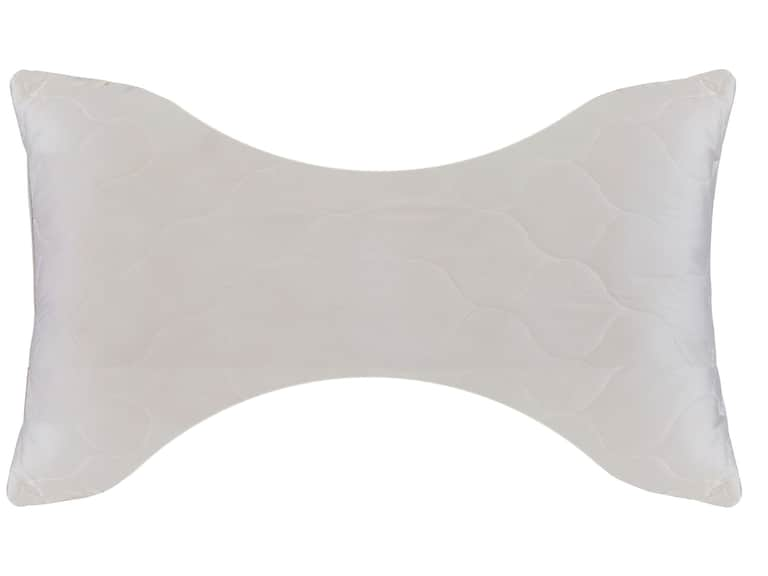
Wool also appears as pillow fill, sometimes in small tufts or puffs that can be shifted to adjust loft. A pillow’s main job is to support the head and neck in a way that works with the sleeper’s position and body, so its shape and adjustability matter at least as much as the fiber. The [Sleep and Beyond myDual Side Pillow](/products/sleep-and-beyond-mydual-side-pillow-288), for example, uses Shropshire wool puffs and lets users add or remove fill. Its adjustable design is intended to help personalize the pillow’s support. This is a separate consideration from choosing a blanket, but it shows how wool can serve different purposes across a bedding setup.
Read weight and construction before choosing
Product names can make wool layers sound interchangeable. They are not. Weight, thickness, weave, fill distribution, casing fabric, and finishing all shape the experience. When product information is available, compare those specifics rather than relying on phrases such as “all-season” or “temperature regulating” alone.
- Check the intended use. A blanket, duvet insert, pad, and pillow address different needs. Decide what role the item will play before comparing materials.
- Compare weight and warmth descriptions. If a product provides a fill weight or a clearly explained warmth level, use it alongside your bedroom conditions and personal preferences.
- Look at construction. A woven blanket and a quilted wool-filled insert behave differently. Stitching, channels, and casing materials affect drape and how the fill stays in place.
- Consider the surface fabric. Wool fill may be enclosed in cotton or another textile. The casing can influence softness, breathability, and how the item feels against the skin.
- Confirm sizing. Bedding dimensions differ among manufacturers. Check the item’s measurements against your mattress and duvet cover, allowing for the drape you prefer.
- Read the care label before buying. A layer that requires specialist cleaning may not suit a household looking for easy, frequent washing.
Construction is particularly important when assessing claims about lasting performance. A well-made wool layer should be considered as a complete product, not merely as a quantity of fiber. Strong seams, even filling, suitable casing, and clear care instructions are all part of its practical value. Ask whether the wool is washable, whether the cover is removable, and whether the manufacturer provides guidance for routine airing and spot cleaning.
Build a flexible bed, season by season
The most useful bedding arrangement is often a modest stack of layers rather than a single cover expected to work in every season. Begin with a fitted sheet and a comfortable top sheet, if you use one. Add a wool blanket or insert according to the room’s typical temperature. Keep an alternative lightweight cover nearby for the nights when the forecast, heating, or your own comfort changes.
In warmer weather, start with breathable sheets and use a light covering that can be moved easily. A wool layer may still be useful in a cool room or for someone who prefers the feel of a blanket, but a heavy cover may be unnecessary. If you wake overheated, first try removing a layer or adjusting sleepwear. No bedding material can compensate for a room that is persistently too hot or humid.
In transitional seasons, wool’s flexibility can be especially helpful. Temperatures may dip overnight and rise again before morning. A medium-weight blanket or a lighter insert combined with a sheet gives you options. Keep the components separate so you can change the arrangement without replacing everything at once.
In cold weather, layer a wool blanket with a suitable duvet or comforter, taking care not to create more insulation than you need. A bedroom that is cool but comfortable may call for a different combination than a room with substantial overnight heating. If two people share a bed, separate blankets or a folded extra layer on one side may accommodate different preferences more easily than one very heavy cover.
Layering is also useful for renters, guest rooms, and homes with uneven heating. A guest may sleep warmer or cooler than the household. An extra blanket stored within reach makes the room easier to adapt without requiring a full change of bedding. In a compact home, a foldable blanket can be put away when not needed and brought back as temperatures fall.
Care for wool without overcomplicating it
Wool’s care requirements are not identical from one product to another. The label is the authority for the particular item. Some wool bedding may be suitable for limited washing; other pieces may require spot cleaning or professional care. Never assume that a natural fiber can go into a washing machine simply because another wool item in the house can.
For routine maintenance, airing can help refresh bedding between deeper cleans. Follow the maker’s instructions and avoid prolonged exposure to direct heat or strong sunlight unless the care guidance specifically allows it. If a spill occurs, address it promptly using the method recommended for the fabric. Rubbing aggressively can distort fibers or push a stain deeper, so a gentle approach is usually wiser than improvised scrubbing.
Storage deserves attention too. Clean and fully dry bedding before putting it away, and store it in a dry, well-ventilated place. Avoid sealing damp textiles in a container. Keep the care label or product instructions available; they are easy to misplace, and the correct method may matter years after purchase. If the item has a removable cover, check whether the cover and wool fill have separate care instructions.
- Use a washable protective cover where appropriate, especially for pillows and mattress layers.
- Air bedding regularly when practical, following the manufacturer’s guidance.
- Spot-clean only with methods that are approved for the item’s fabric and fill.
- Do not apply heat, bleach, or cleaning products unless the care label permits them.
- Store bedding clean and dry, with enough ventilation to avoid trapped moisture.
Care is part of the purchase decision, not an afterthought. A wool blanket that can be aired and used for years may suit one household; a product requiring specialist cleaning may be less practical for another. The right choice is not necessarily the most elaborate one. It is the one whose comfort and maintenance fit ordinary life.
Common assumptions worth questioning
“Wool is always too hot.”
Not necessarily. Weight and construction make a difference, as do the room and the sleeper. A light, breathable layer can serve a different purpose from a dense winter blanket. Still, wool is not automatically cool: if you sleep hot, use a lighter weight and test it with the sheets and covers you already own.
“Natural material means no maintenance.”
Natural fibers still need appropriate care. Washing instructions, drying, storage, and protection from spills all affect how bedding performs over time. A natural label says something about material, not about whether an item can be treated carelessly.
“One all-season product will suit everyone.”
Sleep temperature is individual, and bedrooms differ. An “all-season” label can be a useful shorthand, but it does not tell you exactly how warm an item will feel in your room. Think about whether you can add or remove layers, and choose a construction that gives you room to adjust.
“A wool layer will solve night sweats.”
Wool may help manage moisture within bedding, but it is not a treatment for night sweats or an explanation for persistent changes in temperature. If sweating is frequent, severe, or concerning, consider speaking with a qualified health professional. For ordinary comfort, review room temperature, sleepwear, covers, and ventilation as well as the bedding material.
A quick decision guide
Before choosing wool bedding, take stock of a typical week rather than one especially cold or hot night. What is the room temperature overnight? Do you tend to wake warm or reach for extra covers? Is the bedding used directly against your skin? How much maintenance feels realistic? Your answers narrow the field more reliably than a broad season label.
- Want a flexible extra layer? Consider a wool blanket you can add or remove independently.
- Prefer a familiar duvet setup? Compare wool-filled inserts by weight, construction, casing, and care.
- Looking to change the bed’s surface? Investigate a wool mattress pad, checking fit and cleaning requirements.
- Need a pillow adjusted to your sleeping position? Compare fill, loft, shape, and adjustability; wool fill alone does not determine support.
- Unsure how warm to go? Favor separate layers over one very heavy item, if your space and budget allow.
It can help to make one change at a time. If your current bed feels too warm, try removing a cover before replacing the entire setup. If it feels too cool, add a layer and notice whether the improvement lasts through the night. A short period of observation is more informative than buying according to a single morning’s impression.
The case for layers that can change
Wool bedding is appealing not because it makes seasons disappear, but because it can give sleepers another way to manage them. A blanket that moves from bed to storage, a duvet insert selected for the room rather than a slogan, or a pillow whose fill can be adjusted: each is a small exercise in making comfort more personal.
The practical choices remain grounded. Compare materials and construction. Read the care label. Match the weight to the room and your habits. Start with a manageable combination, then adjust it as the weather and your comfort change. When bedding works well, it is rarely dramatic. The room settles, the covers feel right, and the nightly negotiation over one more layer gets a little quieter.